
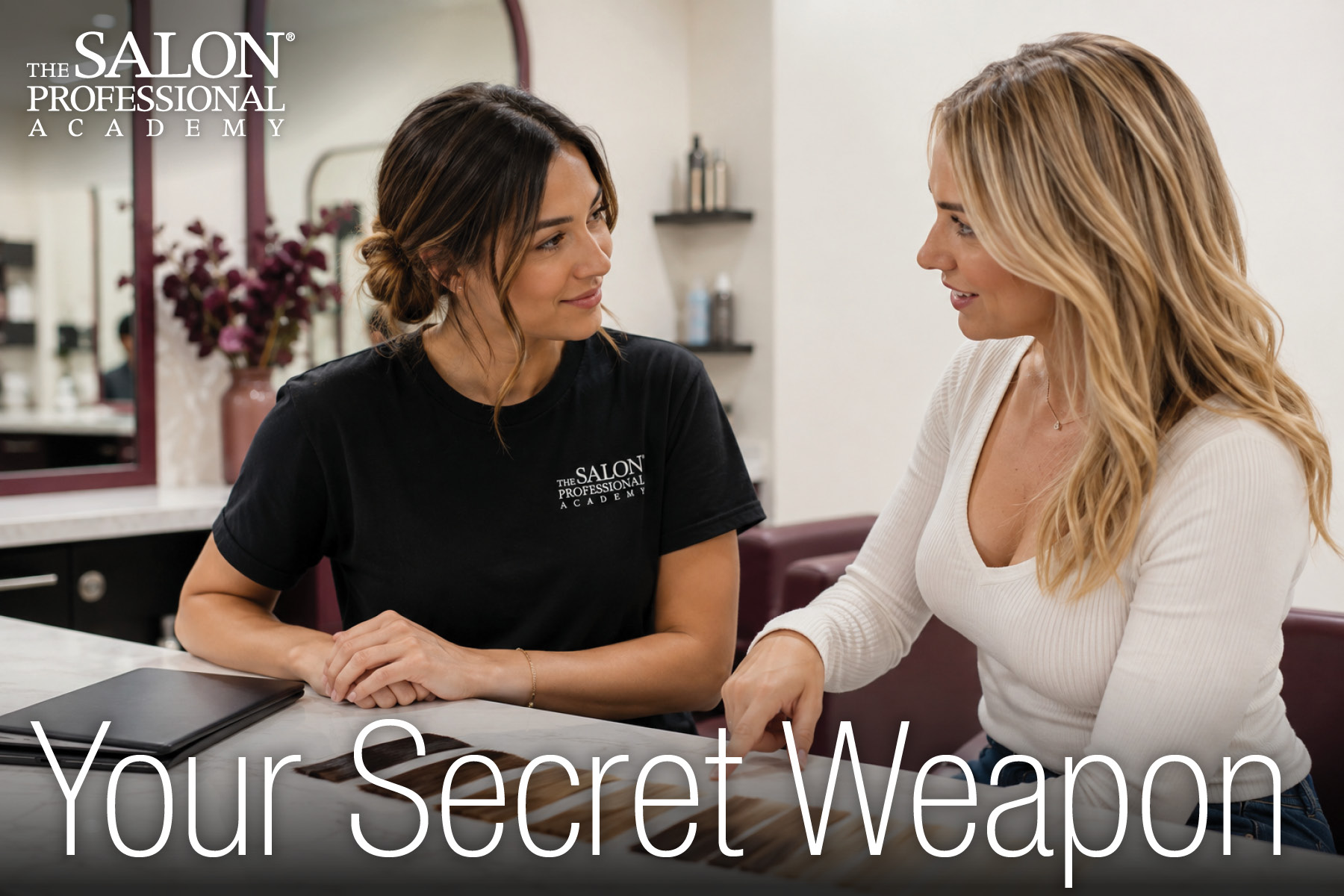
When you picture a successful beauty professional, what comes to mind? Maybe it is someone who creates beautiful hair color, delivers a relaxing facial, designs flawless nails, or helps a guest leave the salon feeling more confident.
Technical ability matters, but it is only part of the picture.
Behind nearly every successful salon or spa experience is a beauty professional who knows how to listen, ask thoughtful questions, explain services clearly, and make the person in their chair feel comfortable. That is why strong communication skills can be one of a beauty professional’s greatest advantages.
For students considering beauty school, learning how to work with people can be just as valuable as learning how to work with hair, skin, or nails. Let’s look at why communication matters throughout a beauty career, and how those skills can begin developing during beauty school.
Great Services Begin With a Great Consultation
A guest may arrive with an inspiration photo, a general idea, or no idea at all. It is the beauty professional’s job to help turn that starting point into a realistic plan.
That requires more than asking, “What are we doing today?” A thoughtful consultation may include questions about:
- The guest’s desired result
- Their current routine and maintenance preferences
- Previous color, chemical, skincare, or nail services
- The amount of time they want to spend on daily styling or care
- Their comfort level with change
- Relevant sensitivities, concerns, or service limitations
Listening carefully helps a professional understand what the guest is actually asking for, not just the first thing they say. It also creates an opportunity to set clear expectations before the service begins.
For example, a guest may love a dramatic hair-color photo but prefer a low-maintenance routine. A strong communicator can explain the upkeep involved and help explore alternatives that may better fit the guest’s lifestyle. That honest conversation can help prevent misunderstandings and create a more satisfying experience.
Listening Helps Build Trust
Guests want to feel heard. They are placing their appearance, and often their confidence, in someone else’s hands. A beauty professional who listens without rushing or dismissing concerns can help the guest feel more comfortable from the beginning.
Active listening involves more than staying quiet while another person speaks. It can include:
- Giving the guest your full attention
- Asking follow-up questions
- Repeating important details for confirmation
- Watching for nonverbal cues
- Avoiding assumptions about what the guest wants
A simple response such as, “Let me make sure I understand what you’re looking for,” can make a meaningful difference. It confirms that the professional is paying attention and gives the guest a chance to clarify anything that may have been misunderstood.
Trust is not built through one clever phrase. It grows through consistent, respectful communication before, during, and after every service.
Clear Explanations Create Better Expectations
Beauty professionals frequently need to translate technical knowledge into language a guest can understand. A client may not know the difference between several color techniques, understand why a series of skincare services may be recommended, or realize how much maintenance a particular nail enhancement requires.
Clear communication helps professionals explain:
- What a service includes
- What results may be realistic
- How long the appointment may take
- What maintenance could be required
- How to care for the result at home
- When the guest may want to schedule a future visit
The goal is not to overwhelm someone with industry terminology. It is to give them enough understandable information to make an informed decision.
This is especially important when a desired result may take more than one appointment. Being honest about the process can protect the integrity of the service while helping the guest understand why a gradual approach may be recommended.
Communication Can Turn Recommendations Into Guest Education
Recommending a product or future service should not feel like delivering a sales pitch. When done well, it is an extension of the professional’s expertise.
The most effective recommendations connect directly to what the guest has shared. Instead of simply naming a product, a professional might explain how it supports the guest’s specific goals or helps maintain the service at home.
For example:
- “Because you mentioned that your color fades quickly, this type of shampoo may help protect it between appointments.”
- “Since dryness is one of your main concerns, here is how you can support your skin at home after today’s service.”
- “This cut will be easier to style if you use a small amount of this product and apply it this way.”
That approach feels personal because it is based on listening. It also helps the guest understand the purpose behind the recommendation.
Strong Communication Helps With Difficult Moments
Not every salon or spa interaction will go exactly as planned. Guests may arrive late, change their minds, have unrealistic expectations, or feel unsure about a result. Beauty professionals may also need to explain policies, service limitations, or why a requested service may not be appropriate at that time.
These conversations require calm, empathy, and professionalism.
Useful habits include:
- Letting the guest explain their concern fully
- Acknowledging how they feel without becoming defensive
- Asking questions to identify the real issue
- Explaining available options clearly
- Involving an instructor, manager, or salon leader when appropriate
The ability to stay composed and solution-focused can help protect the relationship, even when the conversation is uncomfortable. Communication does not guarantee that every situation will be easy, but it gives professionals better tools for handling challenges respectfully.
Confidence Grows Through Practice
Many future students worry that they are too shy or do not naturally know what to say to guests. The good news is that communication is a skill, and skills can improve with practice.
Beauty school provides students with opportunities to practice professional interactions while developing their technical skills. Depending on the program and level of training, that may include greeting guests, conducting consultations, explaining services, discussing home care, rebooking appointments, and receiving feedback from educators.
Those repeated conversations can help students become more comfortable speaking with different personalities and communicating in a professional setting. Students do not need to arrive with perfect confidence. A willingness to listen, learn, and practice is a strong place to begin.
Communication Supports More Than Guest Services
Beauty professionals communicate with more people than the guests in their chairs. They may also work with:
- Salon or spa owners
- Managers and educators
- Other stylists, estheticians, and nail professionals
- Front-desk team members
- Product representatives
- Photographers, wedding vendors, or event professionals
- Followers and potential clients on social media
Clear, dependable communication can help with teamwork, scheduling, problem-solving, networking, and building a professional reputation. For beauty professionals who hope to manage a team, teach future students, or own a business someday, communication becomes even more important.
How TSPA Rapid City Helps Students Prepare for Real Guest Experiences
At The Salon Professional Academy in Rapid City, beauty education is about more than learning techniques. Students can build professional habits while gaining practical experience in a salon and spa learning environment.
As students progress through their training, they can practice connecting with guests, asking questions, explaining recommendations, and receiving feedback. These experiences can help them understand that a memorable service is not only about the finished look but also about how the guest felt throughout the appointment.
Whether you are interested in cosmetology or esthetics, learning to communicate with confidence can support you at every stage of your journey.
Turn Your People Skills Into a Beauty Career
If friends already trust you for advice, you enjoy helping people feel confident, or you have a natural ability to make others feel comfortable, you may already have the foundation of an important professional skill.
Beauty school can help you pair those people skills with hands-on training and industry knowledge. If you are exploring beauty or cosmetology schools, visiting the campus can help you gain a better sense of TSPA Rapid City‘s programs, learning environment, and student experience.
Ready to learn more? Request program information or schedule a tour. Your ability to connect with people could become one of your greatest strengths in the beauty industry.